...

Overview About

Mount Kenya

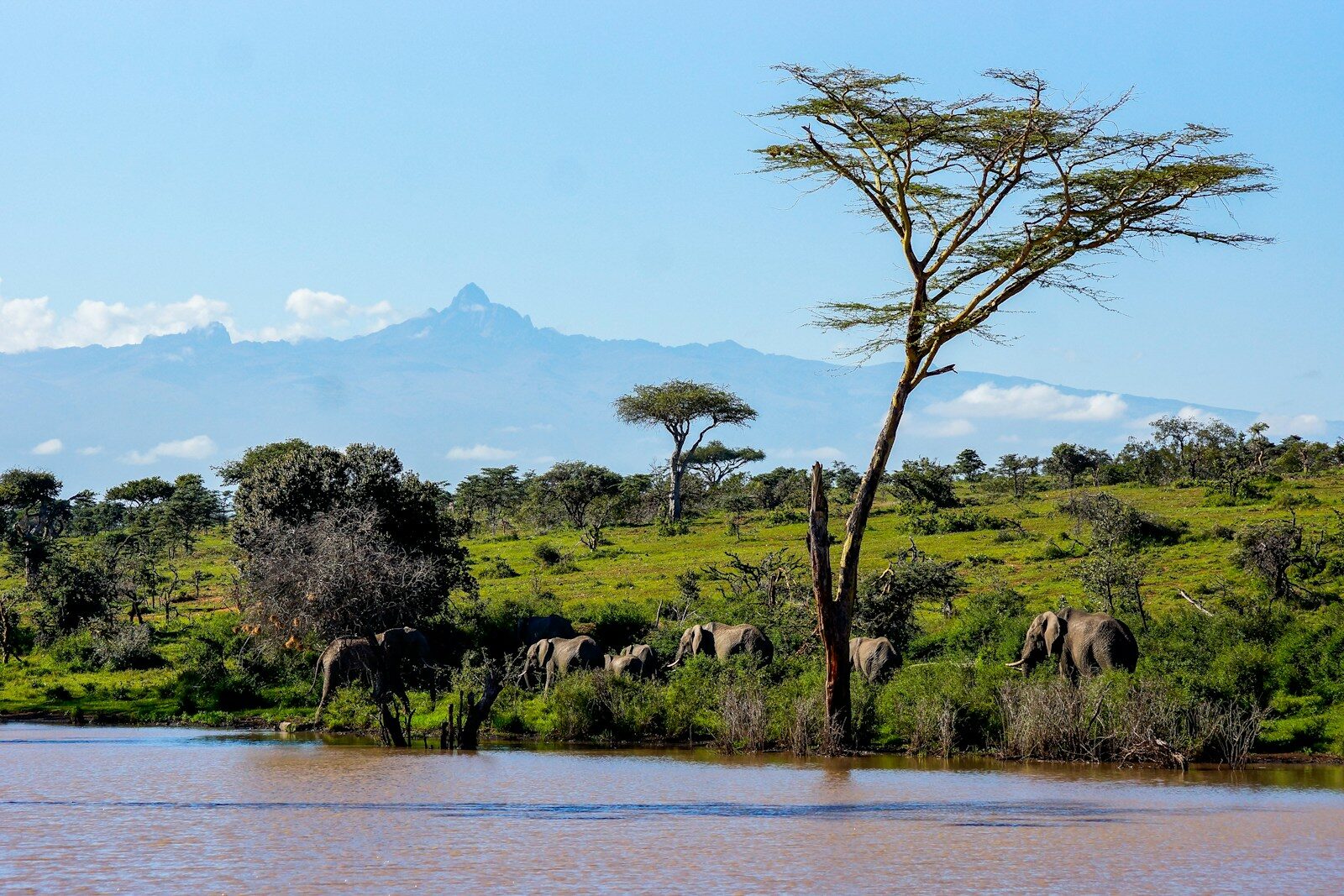
Mount Kenya is Africa’s second-highest mountain and a UNESCO World Heritage Site, rising dramatically to 5,199 metres above the equator. Its snow-capped peaks, glacial valleys, alpine moorlands, and dense forests create one of the most spectacular landscapes in East Africa.

A magnet for trekkers, climbers, and nature lovers, Mount Kenya offers world-class hiking trails, rare mountain wildlife, and breathtaking scenery. The surrounding forests shelter elephants, buffaloes, and the elusive bongo, making it a destination of both adventure and natural wonder.

Quick Facts About

Mount Kenya

Aspects
Description
Location
Central Kenya
Famous For
Africa’s Second-Highest Peak
Size
2,800 km² (ecosystem)
Wildlife
Elephants, Buffaloes & Mountain Bongo
Activities
Trekking, Climbing, Forest Game Drives

Why Visit

Mount Kenya

Africa's Second-Highest Peak

Summit or trek one of the continent's most iconic mountains, crowned with glaciers and rugged peaks.

Spectacular Trekking

World-class hiking routes wind through forest, moorland, and alpine zones to stunning viewpoints.

Unique Mountain Wildlife

Encounter elephants, buffaloes, and the rare mountain bongo in the surrounding forests.

Diverse Ecosystems

Experience dramatic changes in scenery from dense forest to glacial valleys.

UNESCO World Heritage Site

Explore a protected landscape of outstanding natural beauty and biodiversity.

Equatorial Glaciers

Witness the rare sight of glaciers and snow almost directly on the equator.

Top Things To Do

Mount Kenya

Trek to the Peaks

Hike scenic routes such as Sirimon, Naro Moru, and Chogoria toward Point Lenana.

Forest Game Drives

Spot elephants, buffaloes, and forest wildlife in the lower slopes.

Nature Walks

Explore moorlands, waterfalls, and tarns with expert guides.

Bird Watching

Discover unique highland and forest bird species.

Photography

Capture glaciers, alpine lakes, and dramatic mountain vistas.

Visit Mountain Lodges

Stay at iconic forest lodges with waterhole wildlife viewing.

Photo Gallery

Travel Tips

What To Pack

  • Warm layered clothing
  • Waterproof jacket
  • Sturdy hiking boots
  • Gloves & hat
  • Sunscreen & sunglasses
  • Headlamp

Getting There

  • Road transfer from Nairobi (approx. 3–4 hours)
  • Access via Nanyuki, Chogoria, or Naro Moru towns

Currency

Kenyan Shilling (KES)

Language

English and Swahili

January – February

Prime Trekking Season

✔ Clear Skies

✔ Dry Trails

✔ Best Summit Conditions

✔ Great Views


June – October

Second Dry Season

✔ Good Climbing Weather

✔ Stable Conditions

✔ Excellent Visibility


March – May & November

Wet Seasons

✔ Lush Green Forests

✔ Fewer Climbers

✔ Dramatic Scenery

Frequently Asked Questions

Trekking to Point Lenana requires good fitness but no technical skills. The higher peaks of Batian and Nelion require technical climbing.
Most trekking routes to Point Lenana take 3 to 5 days.
The Sirimon and Naro Moru routes are popular and accessible for most fit trekkers.
Yes. The forested lower slopes are home to elephants, buffaloes, and many bird species.

Top Rated Tours

Private Tour
Combined Kenya and Tanzania
Kenya
From $ 6,500
Private Tour
Tanzania Private Safaris
Tanzania
From $ 7,600
Private Tour
Combined Kenya and Tanzania
Kenya
From $ 5,400
Private Tour
Combined Kenya and Tanzania
Kenya
From $ 5,685
Private Tour
Combined Kenya and Tanzania
Kenya
From $ 5,870
Day Tour
Day Trip, Kenya Private Safaris
Kenya
From $ 150
Private Tour
Kenya Private Safaris
Kenya
From $ 1,320
Private Tour
Kenya Private Safaris
Kenya
From $ 2,560
Private Tour
Kenya Private Safaris
Kenya
From $ 1,250
Scroll to Top
Seraphinite AcceleratorOptimized by Seraphinite Accelerator
Turns on site high speed to be attractive for people and search engines.